
The Hidden Relationship Between Spine Health and Joint Pain
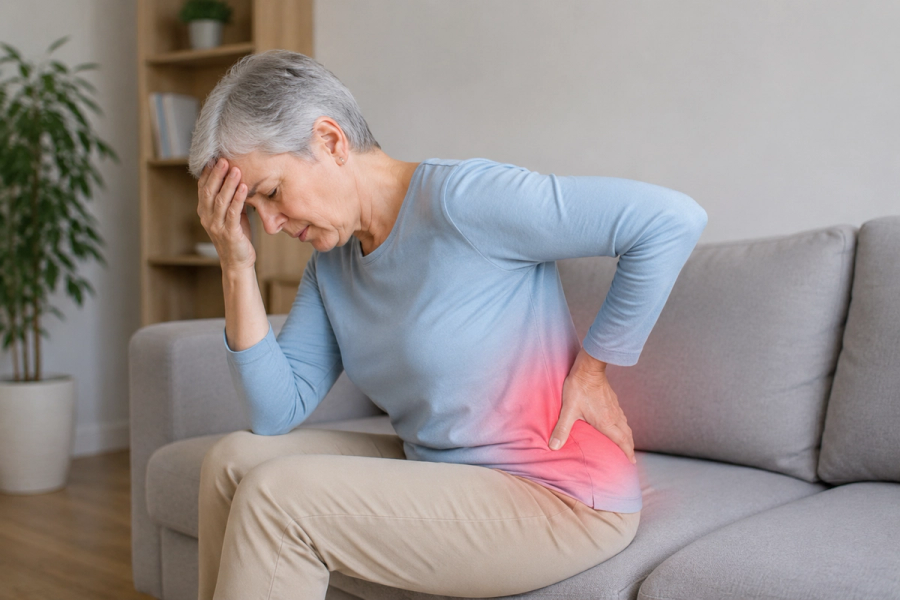
If you have experienced joint pain and back pain simultaneously, these symptoms may not be separate problems. Pain originating in the hip or knee can radiate into the lower back, while spinal issues can influence joint function and sensation. What appears to be two distinct problems is often a single, interconnected issue. The body functions as an integrated system, so dysfunction in one area can produce effects in seemingly unrelated regions.
At MoveBetterDaily, we often see active adults who initially report back pain but also experience stiffness or discomfort in their hips, knees, or shoulders. Understanding how your spine and joints influence each other is essential for improving movement and maintaining long-term comfort.
The Spine and Joints Are in Constant Conversation
Your spine and joints influence each other. Limited hip mobility, due to injury, arthritis, or muscle tightness, can alter pelvic alignment. This forces your lower back to compensate, which may result in strain, stiffness, or inflammation over time.
This compensation is common and demonstrates your body’s adaptability. When one area is compromised, others provide support. While helpful short-term, prolonged compensation can cause persistent pain, muscle imbalances, and increased joint stress.
The relationship also works in reverse. Spinal issues, such as a herniated disc, can compress nerves extending into the legs, resulting in symptoms that mimic joint pain. Nerve irritation in the lower back may cause aching, tingling, or weakness in the hips, knees, or ankles. Although these symptoms appear joint-related, they often originate in the spine. This highlights the importance of maintaining healthy movement throughout your body.
What Usually Drives This Pattern
Several underlying factors commonly contribute to simultaneous spine and joint pain.
Osteoarthritis is a leading cause, gradually wearing away the cartilage that cushions the spine, hips, and knees. As cartilage thins, bones may rub together, joints become less stable, and nerves can be compressed. Osteoarthritis is more common with age and is a primary source of joint pain in older adults, underscoring the importance of healthy aging and regular movement.
Posture and daily movement habits are equally important. Prolonged sitting, poor workstation setup, or repetitive movements can cause spinal compression and joint misalignment. Even without injury, these habits may lead to stiffness, inflammation, and strain in multiple areas. Consistent daily movement can significantly improve long-term comfort.
Previous injuries, even minor ones such as a sprained ankle or pulled muscle, can subtly alter movement patterns. If unaddressed, these adaptations may place additional stress on the lower back, knees, or the opposite leg. Over time, these seemingly minor changes can lead to persistent pain affecting both the spine and joints.
Why Looking at the Whole Body Matters More Than Chasing One Symptom
Because spine and joint pain are often connected, addressing only one area rarely provides lasting relief. It is important to assess your overall movement and consider how your entire body functions, rather than focusing solely on the most painful area.
Different approaches tend to reinforce each other when used together:
Education on movement and corrective exercises can address imbalances, build strength, and enhance mobility. Physiotherapy is effective for managing nerve pain, inflammation, and supporting recovery. Focusing on alignment and movement quality through targeted mobility and stability exercises can reduce stress on both the spine and joints.
Taking a comprehensive approach often reveals the true source of pain. For instance, knee discomfort may result from pelvic instability, while a stiff neck could stem from posture habits related to limited movement in the mid-back or shoulders. Rather than addressing symptoms individually, it is more effective to develop a plan that promotes better movement, builds strength, and prevents recurring issues.
Moving Toward Better, Pain-Free Movement
If you are experiencing both joint and spine pain, there is a path forward. Begin by considering how your entire body moves, rather than focusing solely on the area of discomfort.
At MoveBetterDaily, our goal is to help you understand your body and support you in building strength, mobility, and healthy movement habits. This enables you to continue enjoying activities you love, whether hiking, spending time with family, or moving through your day without pain.
Regardless of where your pain started—back, hip, or knees—understanding these connections is the first step. The next is to establish daily movement habits that support your entire body, not just the area in pain.
Every intentional movement today is an investment in tomorrow's health.
Explore exercises for Reduce Back Discomfort
Related Exercises
Schedule a 15-minute discovery consultation.
Book a 15-Minute Discovery Consultation